Advanced Strategies for Hosting SEO Heavy Tools
I can arrange automatic reports that show clients exactly what's going on with their website, from traffic patterns to SEO health ratings. The design is simple, showing like search impressions, crawl issues, and optimization scores. With AIOSEO's reporting, I spend less time explaining SEO and more time showing it's working.
Other powerful functions include: Get insights into your search efficiency right inside your WordPress dashboard. Powerful internal linking tool that automates structure links between pages on your website. It also offers you an audit of outgoing links. Helps me easily track keyword rankings for the websites I manage, right from my WordPress dashboard.
It has saved me more than as soon as when a client asked, "What altered recently?" Quickly area issues injuring your SEO and get actionable actions to repair them. AIOSEO's Access Control lets you set accurate permissions for every user. This ensures your SEO settings stay safe while groups work effectively.
Hardening SEO Frameworks Using Modern Server Management
Paid plans begin at $49.60/ year for 1 website. Managing more than a hundred sites? Numerous small services and agencies trust it for all things content, consisting of: Material preparation and topic research Creating material briefs Material optimization And more As an, SEOBoost gets rid of the requirement to manage multiple tools, thus simplifying your whole material optimization process.
This makes it easier to run high-impact campaigns for yourself or your customers. You can quickly integrate SEOBoost into your workflow in several methods.
And SEOBoost is the very best tool to assist you do that. SEOBoost uses a totally free demonstration and a 14-day totally free trial. Paid strategies start at $27/month. When I require to remain organized across several SEO projects, is the first tool I turn to. It helps me break down big SEO goals into smaller sized, trackable jobs.
The timeline and calendar views keep my group aligned, specifically throughout busy seasons with numerous campaigns performing at when. Here's how I use Asana for SEO management: I established design templates for typical workflows like SEO audits, material production, and technical fixes. Everybody knows what they're accountable for, and deadlines are simple to track.
GSA SER link list via Google DriveHow to Upgrade Robust Infrastructure for Automation
I can quickly spot what's falling behind and reassign work before things go off track. Asana assists me stay ahead of deadlines and keeps SEO moving smoothly, even with a remote or distributed team. Free for small teams. Paid plans begin at $10.99/ month/user. Semrush is my go-to SEO management tool for SEO rival analysis.
GSA SER link list via Google DriveThis assists me and I can take benefit of. Rather of guessing what may work, I use real data to guide every relocation. Regarding SEO management, I use Semrush for: I can go into a rival's domain and instantly see which search terms bring them traffic. This is excellent for discovering keyword concepts I may've missed out on.
I run comprehensive audits to find crawl problems, broken links, or missing tags that might be hurting SEO performance. This tracks how my pages rank in time for particular keywords, which is crucial for reporting wins to clients. Semrush helps me stay one action ahead. It's not practically what I'm doing.
Paid strategies begin at $139.95/ month. Notion is where I prepare method, store SEO SOPs, and develop out content calendarsall in one clean, flexible work space. It's a great SEO management tool for developing a main SEO hub where my team can discover whatever they need. I utilize Idea for: I build tables that track keyword targets, authors, due dates, and publishing status.
Evaluating Hosting Strategies for Automated SEO Projects
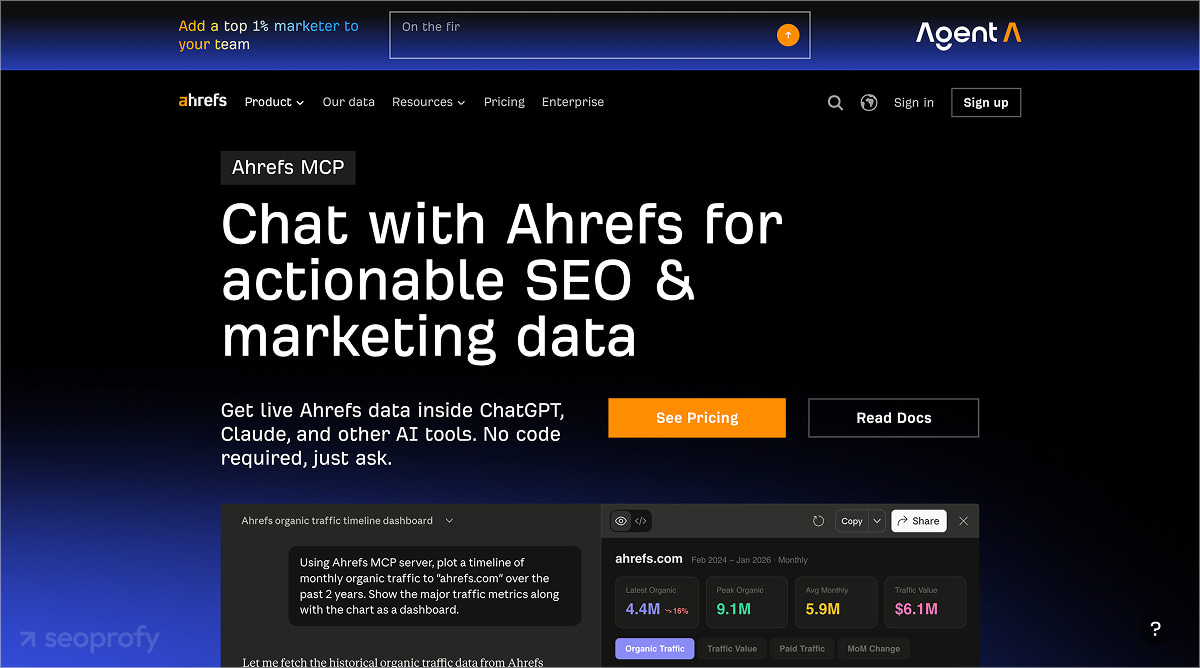
I develop views customized for group leads, authors, or developersso everybody sees what matters most. My group can comment, tag each other, and update in real time. Fed up with spread Google Docs and spreadsheets? Concept brings whatever together in one location. Paid strategies begin at $8/month/user. When it's time to develop links, I change to Ahrefs.
I rely on it to spot damaged link chances, monitor my own link development, and my competitors' link-building methods. It makes link outreach a lot more targeted and effective. Here's what I find most useful: I plug in any URL and see a complete breakdown of their backlinks, top pages, and referring domains.
I utilize this to find damaged outbound links on other sites, then pitch my own material as a replacement. I keep tabs on how my rankings alter over time, specifically after link-building campaigns. With Ahrefs, I'm not simply building links, I'm constructing authority and tracking the results as I go.