Boosting Bot Efficiency with Hardware Tuning

If you should utilize SD cards: Buy high-endurance models rated for dashcams/surveillance Implement aggressive recorder purging Take routine backups Plan for eventual failure SSDs are the gold standard for Home Assistant storage: SATA SSDs provide exceptional reliability and sufficient speed for all Home Assistant requires NVMe drives offer peak performance however are overkill for many setups Even spending plan SSDs significantly surpass SD cards in dependability External storage through USB 3.0 works well for Raspberry Pi users.
Backups are insurance coverage versus the unavoidable hardware failure, damaged SD card, or configuration error that breaks everything. The concern isn't whether you'll require a backup, however when. A detailed backup method means the distinction between restoring your clever home in minutes versus spending days rebuilding automations from memory. Let's take a look at some choices for creating backups with Home Assistant with increased levels of maturity.
This enables you to roll back changes that break things like combinations or automations. Cloud backups: The finest choice for backing up your data is to use cloud storage services to ensure you can restore your system even if your entire local system fails.
Choosing VPS vs Physical Automation Solutions
Home Assistant's default SQLite database works well for little installations but can become a traffic jam for particular usage cases. If you prepare to do analytics on your information or store it long term, you'll desire to utilize a dedicated database like InfluxDB. InfluxDB is created to keep the kinds of data frequently found in Home Assistant installations and is one of the most popular combinations in the Home Assistant environment.
A UPS guarantees operation throughout power outages or surges. To identify how big your UPS needs to be, you'll want to calculate the power draw of the hardware you want to keep running and size it for at least thirty minutes of operation. For important applications, consider the following redundancy techniques: High availability Home Assistant supports active/passive clustering, but needs cautious planning and identical hardware.
Switch by hand during failures. Hybrid Run critical automations on devoted hardware (like Hubitat or Shelly devices) with Home Assistant supplying the user interface and advanced logic. Choosing the correct hardware for your Home Assistant setup isn't almost fulfilling the minimum requirements, it's about lining up those requirements with your particular needs.
Will it be a small setup with a couple of devices, or are you preparing a comprehensive wise home system? The more complex your setup, the more effective hardware you'll need. Budget plays an important role. Raspberry Pi is your go-to for an economical setup. Intel NUC or a dedicated server could be much better alternatives for a more extensive system, however they will be pricier.
Your wise home will likely grow, so choose hardware that can accommodate future expansions. Ensure to check compatibility. Home Assistant deals with thousands of gadgets, from lights and thermostats to speakers and cameras. Compatibility should not be a significant issue, however it's constantly good to double check. Display your system metrics.
GSA SER link list via Google DriveChoosing Premium Proxies to Support SEO
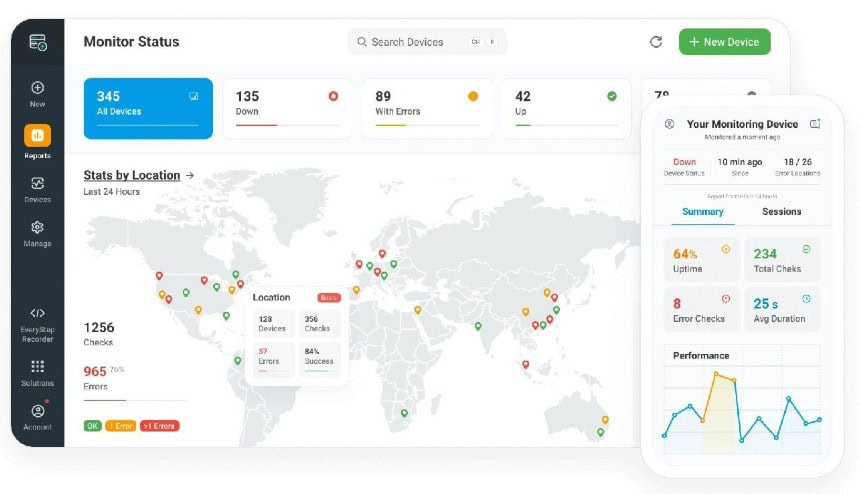
The System Monitor integration provides detailed metrics. While possible via VirtualBox or WSL2, it's not advised for production use. Linux-based installations (consisting of Home Assistant OS) provide much better stability and performance. The "best" hardware depends on your particular requirements and budget. For small setups, a Raspberry Pi 4 is exceptional. For more extensive systems, think about an Intel NUC.
A minimum of 2GB RAM is suggested for a basic setup. If you intend on running numerous add-ons and integrations, consider 4GB or more. For most users, no. The Pi 4 remains extremely capable for Home Assistant. Upgrade to Pi 5 if you require PCIe storage, run lots of add-ons, or your Pi 4 shows performance concerns.
Devoted hardware frequently offers better efficiency and stability. Old laptop computers make decent Home Assistant servers.
Steps for Scale Marketing Nodes for 2026
Minimum and recommended hardware specifications and supported software application for running UiPath Robot, consisting of High-Density and Linux environments. The following hardware specifications note the minimum and recommended resources for a single robot to perform jobs. Crucial: These requirements only consider the resources required for the automation, and do not consist of the resources used by other applications associated with the automations.
1 GB of extra area is required for UI-based setups. 1 GB of extra space is required for UI-based updates.