Readying Digital Stacks for 2026
Join Our LinkedIn Group for more details and resources connected to Industrial Automation.
CR 48 # 50 SUR 128 of. 9021 Medelln, Colombia.

Avoid to main materialSkip to browsePowered by Zoomin Software. For more details please contactZoomin
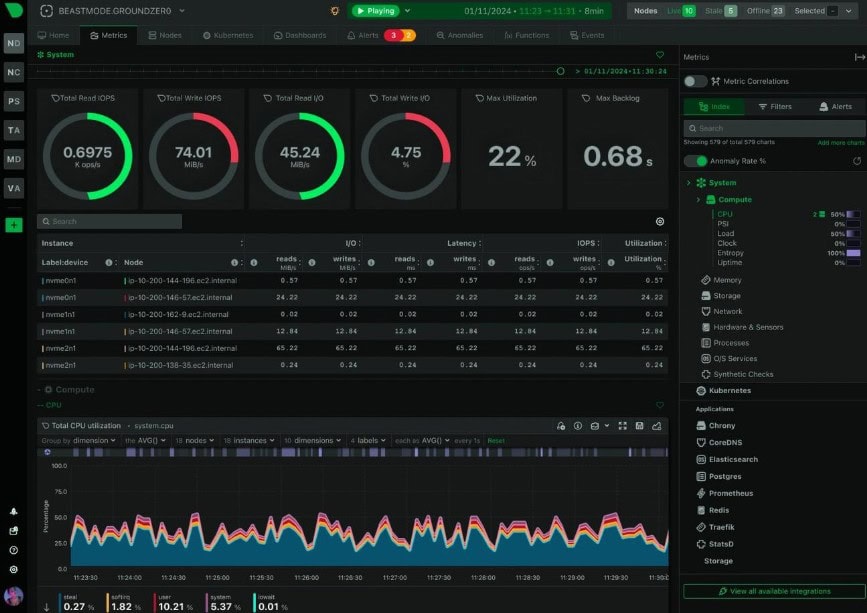
A Supervisory Control and Data Acquisition (SCADA) system offers the human-machine interface (HMI) layer for industrial procedures. SCADA software user interfaces with plant control systemstypically PLCs or DCS controllersenabling operators to monitor procedure status, receive alarms, send commands, and archive historical data for analysis and reporting. Modern SCADA systems follow a three-tier architecture: Field Devices (sensors, actuators) Control Level (PLCs, RTUs) Guidance Level (SCADA server/HMI clients).
Readying Technical Hardware for 2026
Suitable for systems under 5,000 tags. Critical for continuous processes (chemical, power generation). Isolate SCADA networks from corporate IT utilizing industrial firewalls (Tofino, Claroty).
Specify I/O count and scan rate requirements Determine PLC/controller brands and firmware variations Select SCADA software based upon driver assistance and licensing design Size server hardware for peak load + 30% headroom Style network topology (ring, star, or hybrid) Configure OPC servers or native motorists Define alarm priorities and alarm shelving procedures Establish historian retention policies and backup treatments Evaluate failover circumstances before go-live SCADA tag counts straight effect licensing costs.
Calculate total tags as: Overall Tags = (Digital Points 1) + (Analog Points 2) + (Computed Points 1) A mid-range PC (i5 CPU, 8GB RAM, 256GB SSD) running Windows 10 Pro with a single Ethernet port is adequate for systems under 2,000 tags. HMI (Human-Machine User interface) typically refers to a single operator panel or regional visualization station.
GSA SER VPS
Essential IP Handling Tips to Benefit Bots
Modern SCADA plans include native motorists for major PLCs (Allen-Bradley EtherNet/IP, Siemens Profinet, Modbus TCP). OPC ends up being required when incorporating multiple supplier devices or linking to tradition systems without native drivers. Efficiency differs by software. Ignition manages 100,000+ tags on basic hardware. FactoryTalk View SE and WinCC support 50,000-100,000 tags per server.
EtherNet/IP dominates in The United States and Canada for Allen-Bradley setups. Modbus TCP/IP is universal for multi-vendor environments. OPC UA is the contemporary requirement for secure cross-platform combination.