Technical Strategies for Managing SEO Heavy Tools
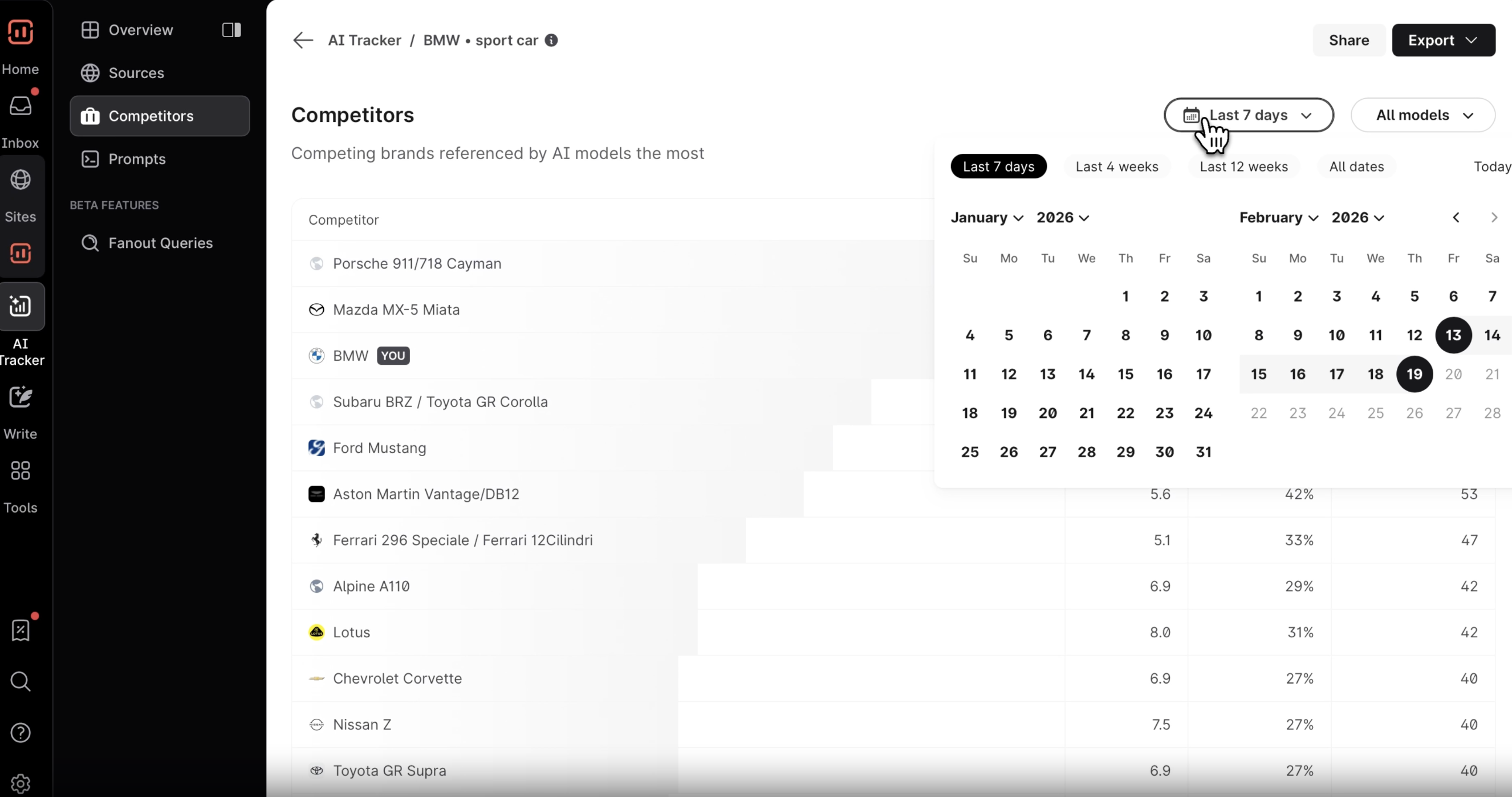
Structured management links the work being done to measurable outcomes. Groups get immediate insights into project health and SEO results, allowing leaders to make choices based upon information rather than assumptions. Dashboard tracking programs which efforts are on schedule, which are at danger, and where traffic jams collect. Milestones can be tied directly to ranking improvements, and early cautions flag possible problems before quarterly traffic objectives are impacted.
Standardizing procedures and leveraging automation allows teams to manage bigger volumes of complex efforts without increasing staffing proportionally. Process standardization through repeatable workflows for keyword research and link outreach minimizes startup time for every single project. Automated workflow management manages regular administrative tasks, freeing teams to focus on strategy. Template-based execution enables new initiatives to introduce rapidly while preserving consistency across all tasks.
Structured management speeds up the path from ideation to execution, permitting pages to be indexed quicker and rankings to enhance much faster. Parallel workflows allow numerous streams of work to progress simultaneously instead of waiting on sequential handoffs. Reliance management recognizes and resolves blockers proactively, preventing the "rush and wait" cycle that slows momentum.
Strategic resource management ensures high-value skill focuses on efforts that produce the best effect. It reduces burnout and ensures crucial projects are always properly staffed. Skill-based project directs work to staff member best geared up to manage it. Workload balancing imagines capacity throughout the group, preventing traffic jams triggered by overwhelming crucial individuals.
Modern SEO requires coordinated workflows across tactical, innovative, technical, and marketing disciplines. Handling these components in seclusion can create disjointed methods and suboptimal search performance. Understanding these interconnections helps teams construct extensive systems that provide consistent results. This fundamental stage guides every subsequent activity, making sure efforts concentrate on opportunities that produce real company value.